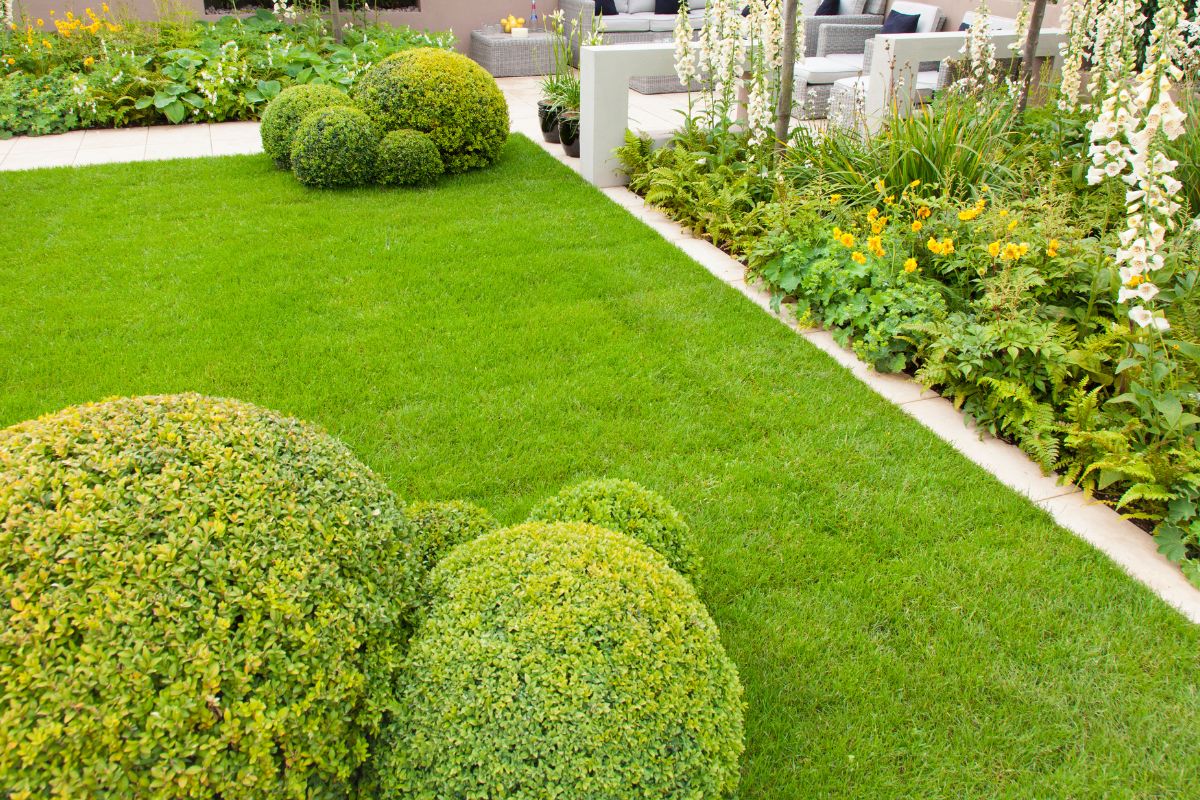

Starting your first garden or landscaping project can be exciting — but it often comes with a whole new language. If you’ve ever felt confused after a chat with your local nursery or tradie, don’t stress. Here’s a plain-English guide to some of the most common landscaping terms you’re likely to hear.
Hardscape and Softscape
These two terms pop up everywhere. Hardscape refers to the non-living elements in a garden — think pavers, decks, retaining walls and edging. Softscape, on the other hand, includes the living things: plants, turf, soil and mulch.
You might hear someone say, “We’re doing the hardscaping first,” which just means they’re laying down paths or building a patio before planting anything.
Soil Layers and Amendments
Soil isn’t just dirt — it’s a complex mix of layers. The topsoil is where most plants grow. It’s nutrient-rich and easy to dig. Beneath that is subsoil, which is more compact and has fewer nutrients. When planting, especially with natives, improving your topsoil with compost or organic matter — called “soil amendments” — can make a big difference.
Drainage and Compaction
Two crucial concepts for healthy gardens. Good drainage means water doesn’t pool on the surface or sit around your plants’ roots, which can lead to rot. In hardscaping, crushed rock or “drainage aggregate” is often used under pavers or artificial turf to help water flow through.
Compaction refers to firming up soil or base material to create a stable surface — essential before laying anything structural. But over-compacting garden beds can make it hard for roots to grow, so balance is key.
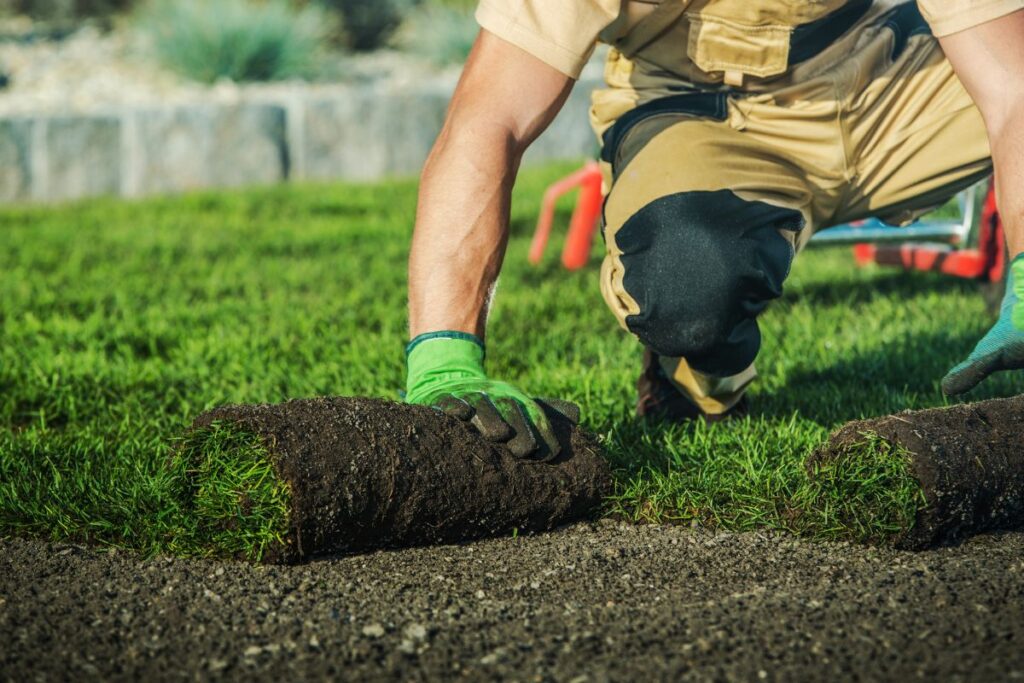
Mulch and Landscape Fabric
Mulch is spread over soil to help retain moisture, keep weeds down, and regulate soil temperature. It can be organic (like bark or straw) or inorganic (like gravel or stones). “Landscape fabric” is a weed barrier that goes under mulch or gravel — though opinions vary on its long-term use in gardens.
Zones, Run-Off and Retaining Walls
When it comes to watering, “irrigation zones” are sections of your garden that need different schedules. For example, your lawn might get watered more often than your succulents.
“Run-off” refers to water that doesn’t soak into the ground and instead flows across the surface. Poor run-off control can lead to erosion, puddling or even damage to buildings.
If you have a sloped yard, you may need a retaining wall — a structure that holds back soil and keeps your garden levels stable.
Final Thoughts
Landscaping terms might sound like builder-speak at first, but once you get the hang of them, they’ll help you plan and talk through your garden ideas with confidence. If you’re interested in landscaping education and qulifications, check out the Australian Institute of Landscape Architects. And if someone throws around jargon, just ask — it’s your space, and you deserve to know what’s going on.