
Artificial grass is popping up everywhere — in backyards, courtyards, childcare centres and even rooftops. But is it all it’s cracked up to be? As someone who’s worked with both natural and synthetic lawns, I reckon it depends on your lifestyle, budget and climate.
Why People Love Fake Grass
No mowing. No watering. No fertilising. For busy homeowners or people in areas with water restrictions, those are big drawcards. Artificial grass stays green all year, and modern varieties look more realistic than ever.
Families with pets or kids often love it too — it stands up to wear and tear and doesn’t get muddy after rain. It’s also great for shaded or awkward spaces where real grass won’t grow.
What to Watch Out For
That said, synthetic turf isn’t a miracle solution. It can be hot underfoot on a summer day, especially in full sun. It also needs a solid base to avoid pooling water or sinking areas — shortcuts during installation usually cause long-term headaches.
And while it’s low-maintenance, it’s not no-maintenance. Regular cleaning is definitely recommended. The best way to achieve this is through professional soft washing – says Glen from Central Coast Pressure Cleaning Pros – who also recommends avoiding highly powered pressure cleaning.
Keeping Artificial Grass Clean
Here’s the truth: synthetic turf needs a bit of care to stay looking (and smelling) good.
- Brush it regularly to stop fibres from matting down.
- Rinse with water, especially after pets do their business or if leaves and dust build up.
- Use a disinfectant spray from time to time to keep things hygienic — particularly in high-traffic areas.
If you live near trees or get a lot of wind-blown debris, you’ll want to sweep or blow the surface clean occasionally.
Is Artificial Lawn Right for You?
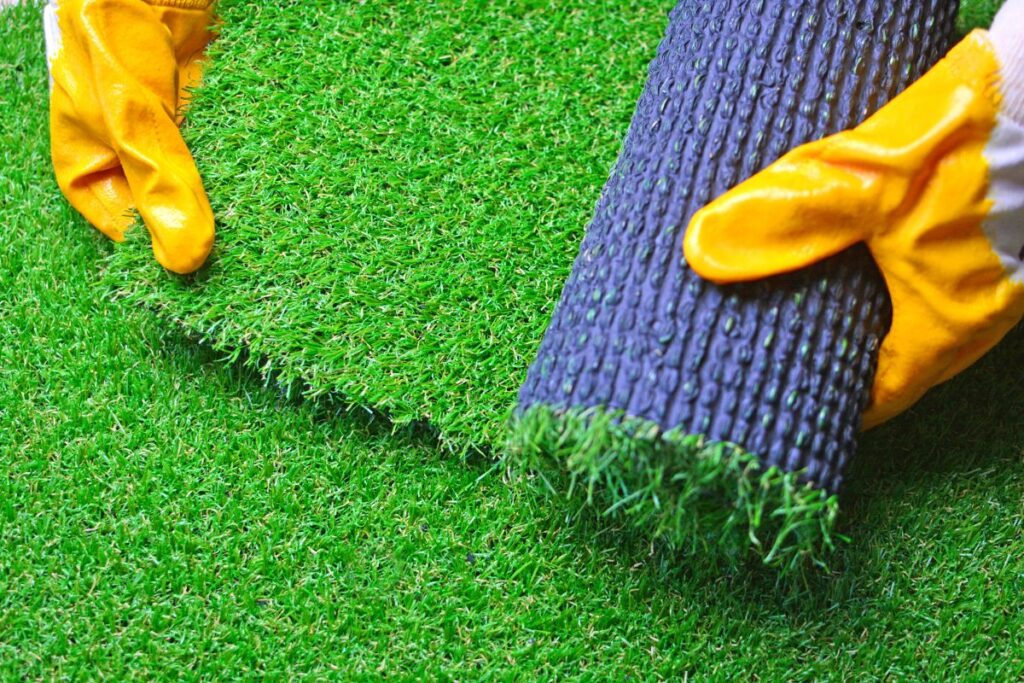
I’ve seen artificial grass work brilliantly in small courtyards and rental properties where tenants didn’t want the hassle of lawn care. It’s also handy for elderly homeowners or people with mobility issues.
But if you love gardening, want to support soil health, or live in a milder climate with plenty of rain, a natural lawn might still be the better option.
Artificial turf is an investment — good-quality varieties and proper installation aren’t cheap. But for the right person, it’s absolutely worth it.